
Internet Marketing and AI blog
Today In SEO & Search News: March 16, 2017

Thursday's are my favorite day to work on this blog post as it's a great chance to make sure I'm fully caught up on what's going on in the SEO and search space for my radio show that airs on Cranberry Radio from 2 to 3 Eastern each Thursday. The show, if you interested, is Webcology and is available for download if you missed it and during the show my co-host Jim Hedger and I chat about the news, SEO strategy and often have on interesting guests to lend a different eye to this ever-changing environment. But for now ... let's just into what's happened since my last update ...
Keyword Rankings In Today's World
Chuck Price wrote a great piece for Search Engine Journal on the debate as to whether keyword rankings still matter. He discusses the core of SEO still being keywords (after all - words are what people search for) but balances the discussion by basically outlining how the changes in Google since Hummingbird have dramatically changes what that means and how we need to look at them. It's highly recommended reading for those whoa re optimizing their own sites or veteran SEO's who simply have this debate regularly with clients.
Does Google Use Chrome To Discover New URLs?
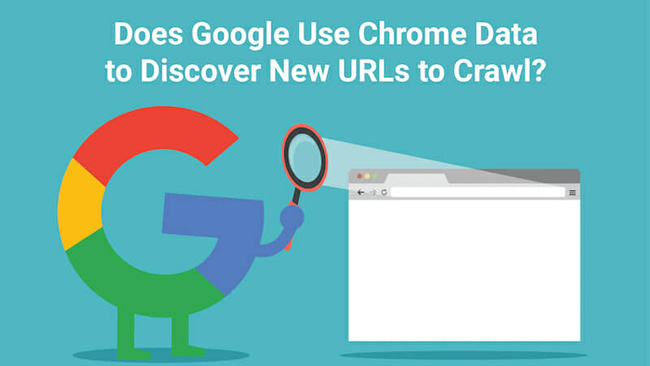 Eric Enge over on Stone Temple Consulting's blog answered the age old question as to whether Google uses Chrome to discover new URLs. It was a simple test and I'm not sure why I or others haven't done it before. Basically he built orphan pages and visited them in Chrome and saw no Googlebot traffic after that. This goes against the majority though indicated in a poll by Rand Fishkin where 69% of respondents believe that they do.
LinkedIn Adds Profile Pic Filters
Danny Goodwin over on Search Engine Journal covered the addition of 6 new filters to LinkedIn profile pics.You can now manually adjust the images and apply filters after uploading. Danny also took the opportunity to get into what makes a good profile and some rules to follow that are flexible enough to apply to almost everyone. Here's what the new filters look like:
Link Building And Ranking In Position Zero
Felecia Crawford wrote an interesting piece on the Moz blog on link building in today's world (including unlinked mentions) and some tips on how to rank in position zero. The post includes a bunch of videos which makes it great for those with a short attention span. That said - there's some great info in the actually writing so don't skip that.
Graphing Your Internal Link Structure
Eric Enge over on Stone Temple Consulting's blog answered the age old question as to whether Google uses Chrome to discover new URLs. It was a simple test and I'm not sure why I or others haven't done it before. Basically he built orphan pages and visited them in Chrome and saw no Googlebot traffic after that. This goes against the majority though indicated in a poll by Rand Fishkin where 69% of respondents believe that they do.
LinkedIn Adds Profile Pic Filters
Danny Goodwin over on Search Engine Journal covered the addition of 6 new filters to LinkedIn profile pics.You can now manually adjust the images and apply filters after uploading. Danny also took the opportunity to get into what makes a good profile and some rules to follow that are flexible enough to apply to almost everyone. Here's what the new filters look like:
Link Building And Ranking In Position Zero
Felecia Crawford wrote an interesting piece on the Moz blog on link building in today's world (including unlinked mentions) and some tips on how to rank in position zero. The post includes a bunch of videos which makes it great for those with a short attention span. That said - there's some great info in the actually writing so don't skip that.
Graphing Your Internal Link Structure
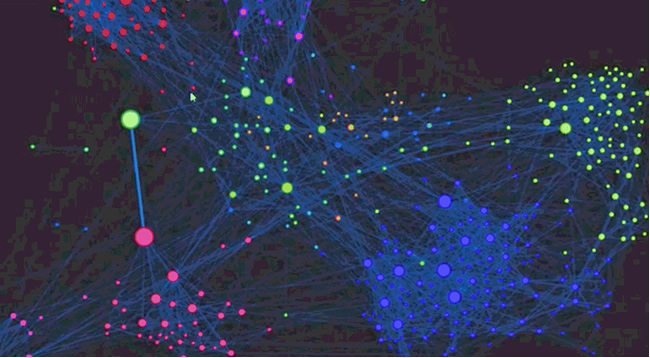 Patrick Stox wrote a very very interesting post for Search Engine Land on how to get a graphical representation of your internal linking structure using a combination of Screaming Frog and Gelphi (which I only downloaded after reading the piece). It's an incredibly useful technique that I happen to have hit a scenario of needing just yesterday (thanks for the awesome timing Patrick!). Highly highly recommended reading.
Page Layout Algorithm Still Important
Barry Schwartz discussed the question as to whether Google still uses the page layout algorithm on Search Engine Roundtable. The question was asked of Google's Gary Illyes on Twitter and got a very enthusiastic answer:
Patrick Stox wrote a very very interesting post for Search Engine Land on how to get a graphical representation of your internal linking structure using a combination of Screaming Frog and Gelphi (which I only downloaded after reading the piece). It's an incredibly useful technique that I happen to have hit a scenario of needing just yesterday (thanks for the awesome timing Patrick!). Highly highly recommended reading.
Page Layout Algorithm Still Important
Barry Schwartz discussed the question as to whether Google still uses the page layout algorithm on Search Engine Roundtable. The question was asked of Google's Gary Illyes on Twitter and got a very enthusiastic answer:
Eric Enge over on Stone Temple Consulting's blog answered the age old question as to whether Google uses Chrome to discover new URLs. It was a simple test and I'm not sure why I or others haven't done it before. Basically he built orphan pages and visited them in Chrome and saw no Googlebot traffic after that. This goes against the majority though indicated in a poll by Rand Fishkin where 69% of respondents believe that they do.
LinkedIn Adds Profile Pic Filters
Danny Goodwin over on Search Engine Journal covered the addition of 6 new filters to LinkedIn profile pics.You can now manually adjust the images and apply filters after uploading. Danny also took the opportunity to get into what makes a good profile and some rules to follow that are flexible enough to apply to almost everyone. Here's what the new filters look like:
Link Building And Ranking In Position Zero
Felecia Crawford wrote an interesting piece on the Moz blog on link building in today's world (including unlinked mentions) and some tips on how to rank in position zero. The post includes a bunch of videos which makes it great for those with a short attention span. That said - there's some great info in the actually writing so don't skip that.
Graphing Your Internal Link Structure
Patrick Stox wrote a very very interesting post for Search Engine Land on how to get a graphical representation of your internal linking structure using a combination of Screaming Frog and Gelphi (which I only downloaded after reading the piece). It's an incredibly useful technique that I happen to have hit a scenario of needing just yesterday (thanks for the awesome timing Patrick!). Highly highly recommended reading.
Page Layout Algorithm Still Important
Barry Schwartz discussed the question as to whether Google still uses the page layout algorithm on Search Engine Roundtable. The question was asked of Google's Gary Illyes on Twitter and got a very enthusiastic answer:
Google Fined Over Email Scanning Google has been hit with a $2.2 million settlement in their long-running battle over their scanning of emails. Fortune reported the results of the case. The money will be paid to lawyers with none being awarded to consumers who were unaware of the practice. Basically the battle is over whether the scanning of emails for ad injection constitutes wire trapping. The article gets into the differences between this and a case Google won in 2015 and is an interesting read for those curious about privacy and where it's protected and where it isn't. And that's it for the day. I look forward to updating you again tomorrow with another post to take you into your weekend with some light reading. ;)@MatchaTravelers @JohnMu yes, it's still important
— Gary Illyes ?( ? )? (@methode) March 14, 2017